JustCasino Sign Up In Australia

A practical 2026 walkthrough for account access in Australia, from first registration steps to safer settings and support.

Slot Fortune Gems 2

Table of Contents

  • The Dog House Megaways Slot
  • Lucky Joker 10 Extra Gifts Slot
  • Sword of Ares Slot
  • Floating Dragon Hold & Spin Slot
  • Leprechaun Riches Slot
  • Fruit Coctail Slot
  • The Dog House Megaways Slot
  • Sword of Ares Slot
  • Fruit Million Slot
  • The Dog House Megaways Slot
  • Fruit Box Slot
  • Big Fisherman Slot
  • Seven Books Unlimited Slot
  • JustCasino Fortune Slot
  • Sword of Ares Slot
  • Floating Dragon Hold & Spin Slot
  • 9 Mad Hats Slot
  • Floating Dragon Hold & Spin Slot
  • Big Bass Splash Slot

Before You Create An Account: A 2-Minute Checklist

Picture this: you finally have a quiet evening, you open the platform, and you want to get in without stumbling over tiny details. Most people lose time on the same things - mismatched emails, forgotten passwords, and browser settings that block verification prompts. A quick checklist up front saves the annoying loop of “try again” screens.

login 1

Start with the basics that prevent friction. Use one email address you actually check, keep your phone nearby for confirmations, and choose a password you can reproduce without notes. If you normally use strict privacy mode or heavy blockers, consider pausing them just for setup, because some security prompts rely on pop-ups.

Registration Flow In Australia: Fields, Checks, And Common Snags

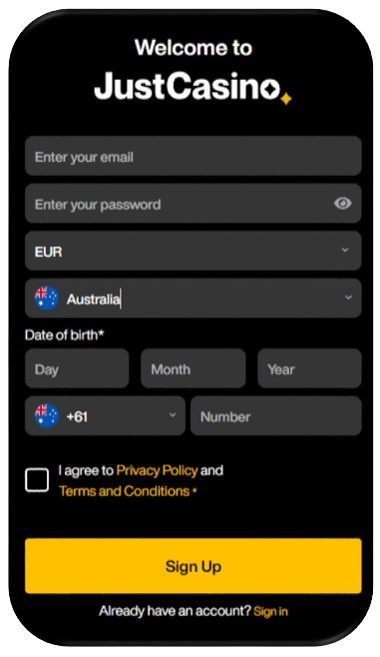
Most sign-up forms look identical until they don’t. Imagine you’re half-way through, your phone buzzes, you come back, and the page refreshes - it’s frustrating, but it’s also avoidable with a calmer pace. Treat registration like one short task, not something you multitask.

login 2

Fill in details carefully, double-check spelling (especially your email), and keep region and currency choices consistent. If the platform asks you to confirm you’re of legal gambling age, take it seriously - those confirmations affect what you can do later.

In 2026, the simplest strategy is boring: use real, matching details from day one so payments and support chats don’t turn into a back-and-forth. When you hit the final submit step, pause for five seconds and scan for checkboxes and consent items - missing one is a common reason people “get stuck.”

What To Prepare Before You Start

If you’ve ever created an account in a hurry, you know the classic mistake: you pick a password you “think you’ll remember,” then you don’t. Picture someone setting up on a laptop, then trying to continue on a phone later and getting blocked by a typo they can’t reproduce. Decide on your password approach before you type anything, and keep your email access on the same device during setup.

Finishing The First Session Without Rushing

A lot of players create an account and immediately start clicking games, then forget to check the settings that matter. Imagine you win a small amount, go to cash out later, and realize your profile details need updating first. A smarter first session is boring for three minutes, then smooth for months: open your profile, confirm contact details, and set at least one limit or reminder if it’s available.

Getting Back Into Your Account: Passwords, Devices, And Session Hygiene

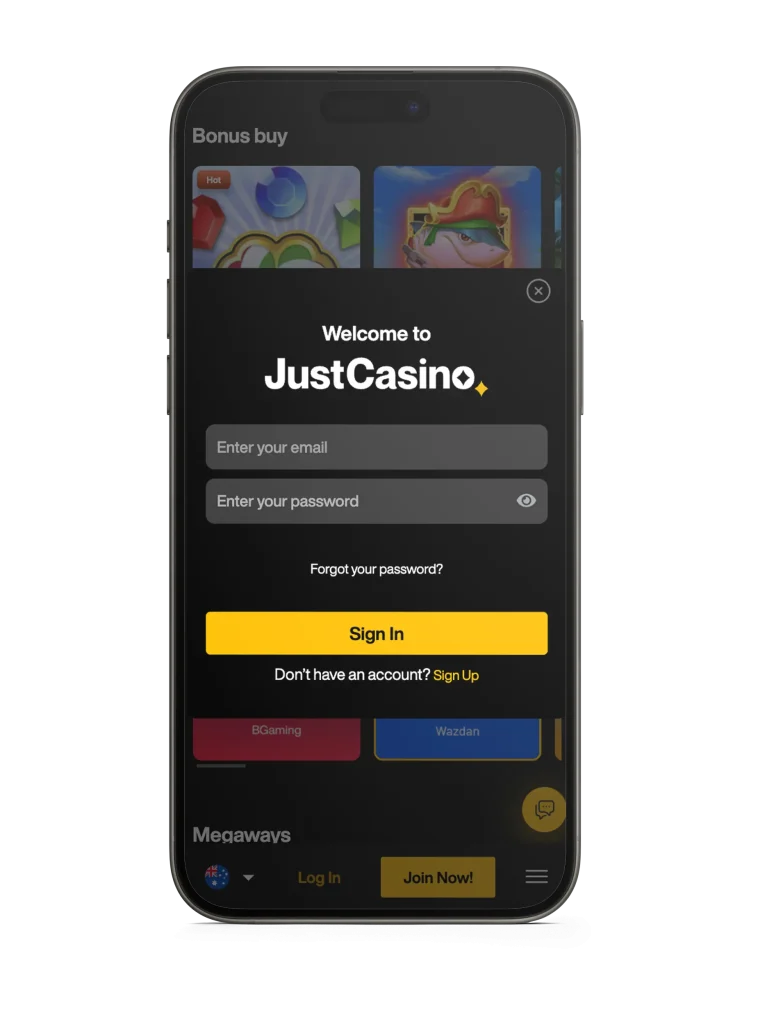
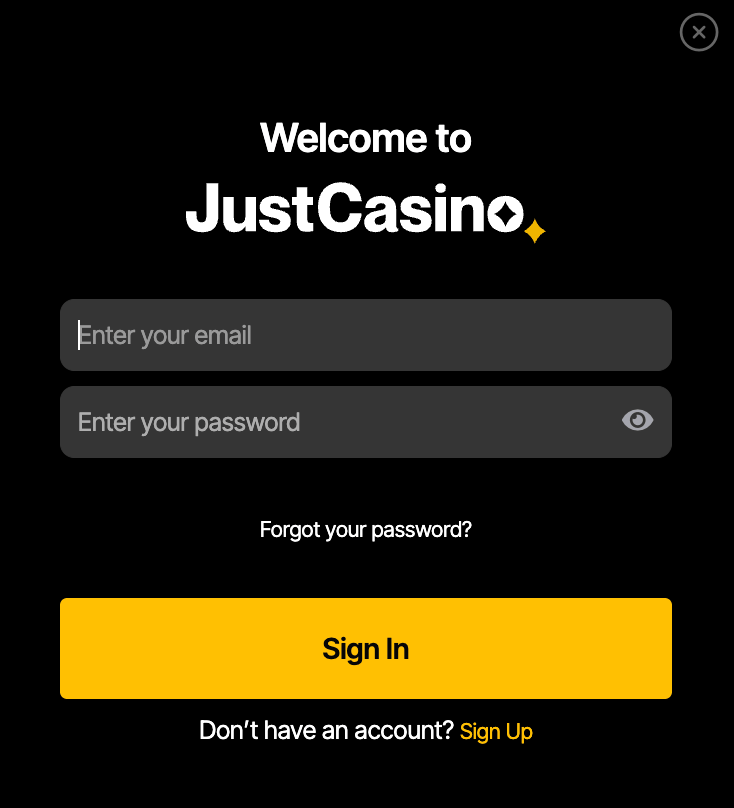
You’ll eventually sign in from a different device - it always happens. Maybe your phone updates overnight, or you switch browsers, or you simply get logged out. The calm approach is to treat account access like a routine: one method, one device you trust, and a clean plan for recovery.

login 3

On shared computers, avoid saving credentials in the browser. On personal devices, saving can be fine, but only if the device is locked and your email is protected as well.

When A Code Never Arrives

Here’s the common scene: you request a confirmation code, stare at your phone, nothing shows up, and you hit “resend” five times. That usually makes things slower. Wait a minute, check spam folders, confirm you typed the right address or number, then try an alternative channel if one exists.

If it still fails, look locally: message filtering, “Do Not Disturb,” carrier blocks, or notifications turned off. When you fix those, the same process often works immediately.

If You See A Security Warning

Sometimes a platform flags a sign-in attempt because it looks unfamiliar. Imagine you’re traveling, your connection changes, and a warning prompt asks you to confirm it’s really you. Don’t rush past it - use the confirmation options, then change your password if anything feels off.

After that, review recent activity (if the platform shows it) and sign out of devices you no longer use. If warnings keep repeating, contact support with device, browser, and the exact step where it stops.

Deposits, Withdrawals, And Verification Basics In 2026

Money flows are where people get emotional, because delays feel personal. Picture a player who deposits quickly, enjoys a session, then expects an instant withdrawal and gets annoyed when extra checks appear. Payments and verification are connected, and the smoother your profile details, the fewer surprises you meet later.

Treat deposits and withdrawals like two different tasks. A deposit is often quick and automated; a withdrawal can involve reviews, method-specific steps, and identity checks.

Choosing A Payment Method Without Guesswork

Most players pick the first method they recognize, then regret it later because it’s inconvenient for cashing out. Imagine you deposit with one option, then discover your preferred payout route needs extra steps in your situation. Choose a method you can use consistently in both directions whenever possible.

Before you add funds, check the cashier area for supported options and any notes about processing windows. Keep payment details in your own name, and avoid hopping between methods in a single evening if you want cleaner records.

What An ID Check Usually Looks Like

Verification is rarely “hard,” but it can be picky. Picture someone uploading a document photo taken in bad light, then wondering why it gets rejected. Usually it’s glare, blur, cropped edges, or mismatched details.

Use a well-lit room, capture the whole document, and keep names and addresses consistent across your profile and documents. If a selfie or liveness check appears, follow prompts slowly and keep your face centered.

A Simple Processing Table For Planning

You don’t need exact promises to plan well, you need a baseline mindset. Imagine you’re timing a withdrawal for a weekend trip - you’d rather not gamble on last-minute processing. Use the table below as a planning tool, then rely on the status text inside your account for method-specific notes.

Topic

What Usually Happens

Common Delay Triggers

Practical Tip

Deposits

Often confirmed quickly after approval

Bank checks, switching apps mid-payment

Complete the payment in one uninterrupted session

Withdrawals

May require review before release

Profile mismatch, mixed payment methods

Keep details consistent and withdraw to a familiar method

Identity check

Document upload and basic confirmation

Blurry images, cropped edges, inconsistent names

Re-take photos in good light and verify spelling everywhere

Address proof

Extra document may be requested

Old documents, low-resolution scans

Use a recent statement and avoid heavy compression

Limits and controls

Settings apply to future sessions

Changing settings repeatedly in one day

Set limits once, then test them over a few sessions

Mobile Play And Performance: Quick Fixes That Save Time

Mobile play is convenient until it isn’t. Picture you’re on a commute, the app feels laggy, and a game reloads right as you’re about to act. Most “platform issues” on phones are actually storage, updates, or network switching.

Update the app or mobile browser, clear cache if things feel stuck, and close background apps that chew memory. If your connection flips between Wi-Fi and mobile data, expect interruptions - choose one network for the session and stick with it.

Notifications, Updates, And Storage

This is the sneaky one: everything works, then one day it doesn’t, because your phone silently changed something. Imagine your device updates overnight, permissions reset, and now you don’t see confirmation prompts. Check notification permissions, allow prompts during setup moments, and keep enough free storage so uploads (like verification images) don’t fail mid-process.

If crashes repeat, reinstalling can help. Do it deliberately: confirm you can access your email first, then reinstall and sign in with a clean slate.

Support And Responsible Play Tools For Adults

Support is only “bad” when the conversation is vague. Picture someone writing, “it doesn’t work,” then waiting hours for a reply, because the agent has to ask ten follow-up questions. If you share the right details from the start, you usually get faster help.

Responsible play tools matter just as much as support, because they keep sessions intentional. In 2026, a solid set of controls often includes deposit caps, session reminders, timeouts, and self-exclusion options so adult players can stay in control without drama.

How To Describe A Problem So It Gets Solved

When something breaks, your job is to be specific, not loud. Imagine you’re trying to withdraw and the button is greyed out - the difference between “help” and “device, browser, time, status text, and last step completed” is huge.

Note the exact moment the issue appears and what you’ve already tried (refresh, different browser, cache clear, network swap). If there’s an error message, copy it exactly. Then ask one clear question at a time.

Setting Limits And Taking Breaks

Most people don’t plan to overdo it - it happens when a session runs long and emotions rise. Picture a player who sets a deposit cap on day one, then later thanks themselves when the session starts drifting. Limits are guardrails, not punishments.

Set a cap you can genuinely afford, add a reminder that nudges you to stand up, and use a timeout if decision-making gets sloppy. Turning off promotional notifications can help if you’re easily pulled back in.

Self-Exclusion And Cooling-Off Options

Self-exclusion is for real life, not for “other people.” Imagine a stressful week where you notice you’re opening games out of habit instead of intention. A cooling-off break can interrupt that pattern before it grows.

If you choose a timeout or longer exclusion, treat it as a reset: remove saved passwords, mute marketing notifications, and plan a replacement routine. If you need help, consider local support services in Australia - reaching out is normal.


FAQ

Use every recovery option inside the account recovery flow, then try your email provider’s recovery route (backup email, phone verification, or support). Imagine you’re locked out on a new phone and the old inbox is gone - in that case, support will usually ask for details you can reliably confirm, like past transactions or profile data. Send clear identifiers such as your account email, device type, and recent activity you remember, and ask what alternative verification they accept. Avoid creating multiple new accounts in frustration - it can slow down checks later.

Verification is a common safety step that helps confirm the account belongs to you and that details match across payments and profile information. Say you deposit from one device, then try to withdraw from another after changing your profile - that combination often triggers extra checks. Platforms may allow browsing and deposits first, but tighten reviews when money moves out. To reduce delays, keep your details accurate and upload clear documents in good lighting.

Check the transaction status in your cashier history and look for requests for additional documents or confirmations. Picture this: the status says “pending,” but there’s also a small note asking you to confirm a method or upload a file - many people miss that and wait for nothing. Confirm you are withdrawing to a method that supports payouts and that your payment details match your profile name. If everything looks correct, contact support with the time, amount, method, and the on-screen status text so they can trace it quickly.

Yes, if you treat email security and device locks as part of account security. Imagine you sign in on a work computer once, forget to log out, and later wonder why you got a security alert - that’s the kind of situation a simple logout prevents. Use a locked phone, avoid shared devices for sensitive actions, and log out on public or work computers. If you switch devices often, expect occasional security prompts, and keep one “main” device for withdrawals.

Choose based on practicality: whether it supports withdrawals, how reliable it is with your bank or wallet setup, and how clear the steps feel. Imagine you pick the fastest deposit option, then learn it’s awkward for cashing out - that’s why consistency matters more than speed. People often choose based on familiarity, but reliability in both directions matters most. If you’re unsure, start with a small test transaction and keep notes on the flow.

Start with a deposit cap, add a session reminder, and enable any timeout option that lets you step away when emotions rise. Picture a night where you keep telling yourself “one more” - the reminder breaks that loop without you needing willpower in the moment. Many players also benefit from turning off marketing notifications and keeping a short budget note, so the session doesn’t blur into impulse. If the habit starts forming, take a cooling-off break early.

Contact support for account security, payments, verification, or anything you cannot confirm from your own settings. Imagine you’ve refreshed, cleared cache, and tried a different browser, but the same payment status won’t change - that’s not a “settings” problem anymore. Escalate with precise details: device, browser, time, what you clicked, and what you saw. The best reports describe the exact step where it fails and what appears on screen.